Why The Future Is Relationship-Driven
.avif)
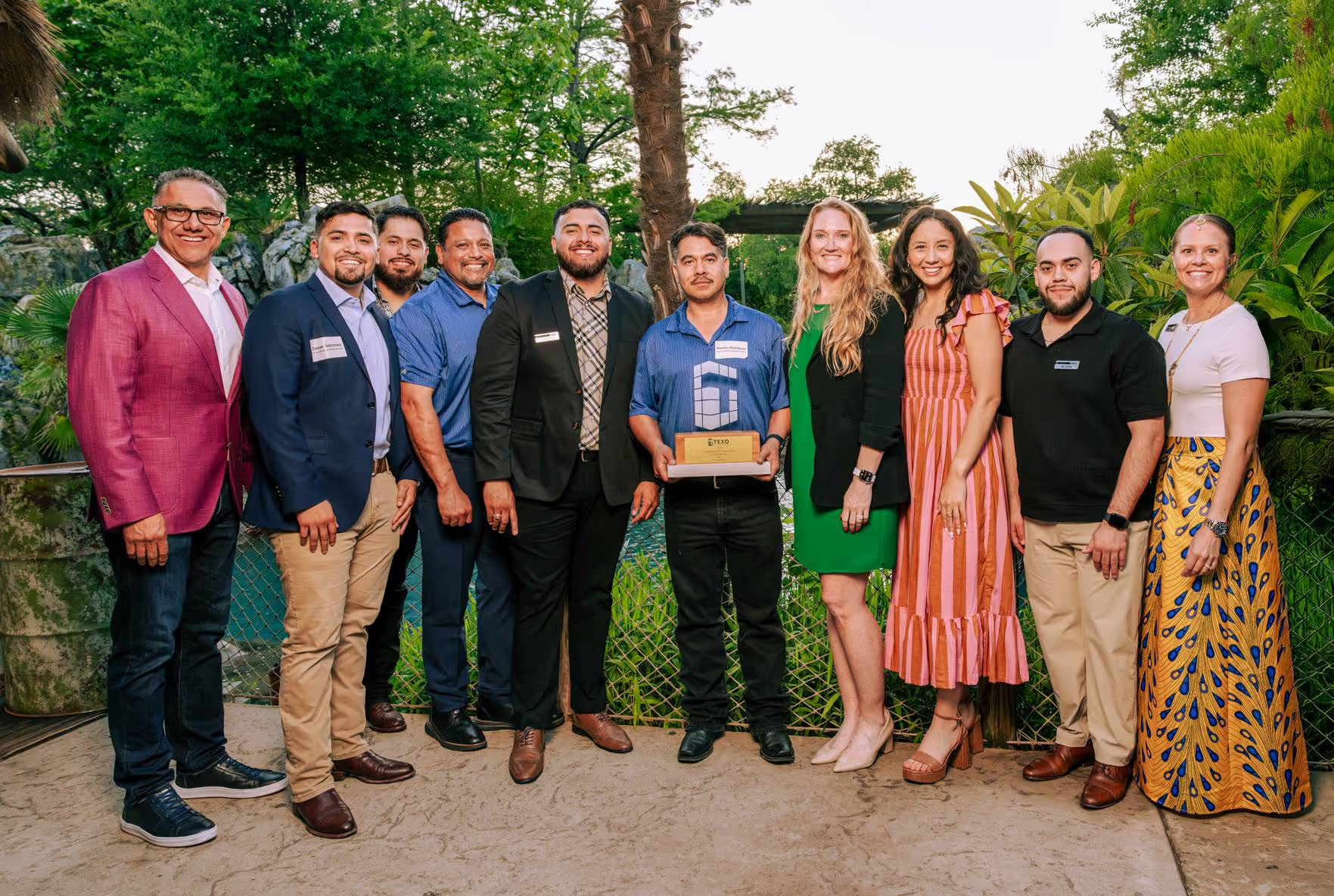
In celebration of Women in Construction Week, I wanted to share my perspective on the critical role relationships play in the commercial construction industry. This is one of my favorite weeks of the year because it highlights progress, momentum, and meaningful conversations across our field. I love seeing the recognition and visibility given to women and leaders who are shaping the future of construction. These moments reflect how much the industry is evolving and expanding its definition of leadership. At its core, this evolution is about people — and how we work together.
For years, leadership in construction was defined by authority, hierarchy, and technical expertise. Those skills still matter and always will, because they are foundational to quality and safety. However, the industry has shifted in meaningful ways. Today, companies win work, build trust, and sustain growth through something far more human. Relationships grounded in emotional intelligence are now a defining factor in long-term success.
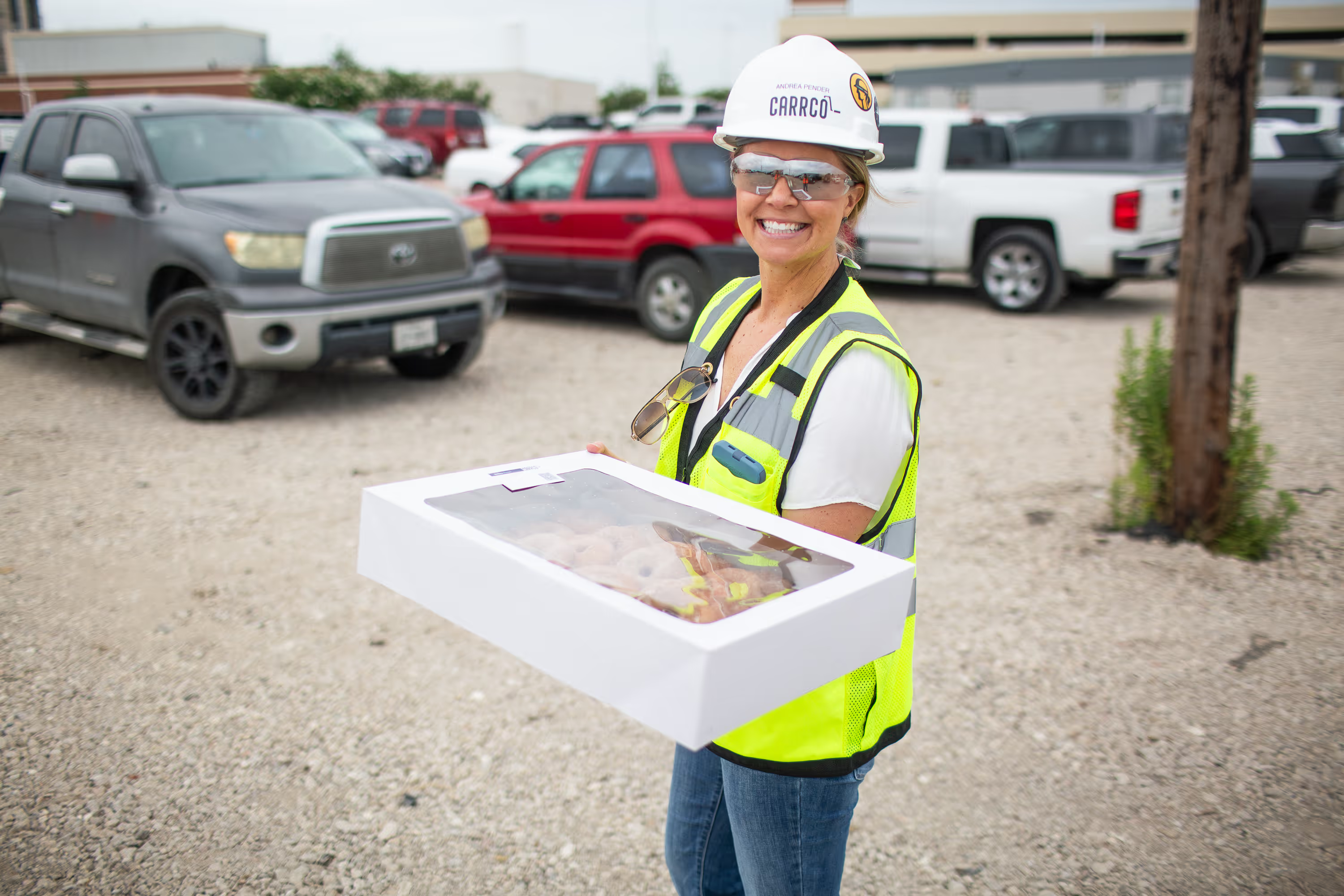
As someone who has built a career in business development within construction, I see this shift clearly every day. Great projects start long before boots ever hit the jobsite. They begin with connection, credibility, and trust established early in the process. Success often starts with a conversation where someone feels heard and understood. Those early moments shape outcomes.
For me, business development has never been about a single meeting or a quick win. It has been built slowly and intentionally through consistent involvement and showing up for the industry over time. By investing in relationships across firms, disciplines, and career stages, trust has grown in everything I do. It is not because of one conversation, but because of many. Giving back through mentorship, sharing stories and insights on the Hard Hats & Horizons podcast, and staying engaged even when there is no immediate opportunity has created credibility that compounds over months and years. When the timing is right projects come together and clients are often already comfortable doing business because the trust was established long before work was ever discussed.
That level of connection does not happen by chance. It requires intentional relationship-building supported by emotional intelligence. Leaders must know how to listen, adapt, and communicate with purpose. When these skills are present, relationships become a true competitive advantage —and lasting impact follows.
Why Relationship-Driven Leadership Matters More Than Ever
Construction is now one of the most relationship-driven industries in the United States:
- 84% of construction decision-makers select vendors primarily based on existing relationships
- 75–85% of revenue for top-performing contractors comes from repeat clients
- Trust is the #1 predictor of whether a firm is invited to negotiate work instead of competitively bid
(Data aggregated from FMI, SMPS, and CMAA reports)
Relationships don’t grow accidentally. They are built through self-awareness, empathy, adaptability, listening, and clear communication — the core pillars of emotional intelligence (EQ).
Research consistently shows that professionals with high emotional intelligence:
- Build trust faster
- Navigate conflict more effectively
- Retain clients longer
- Create stronger internal alignment
Harvard Business Review reports that emotional intelligence accounts for nearly 90% of what differentiates top performers from peers with similar technical skills.
Clients don’t just hire companies anymore. They hire people who understand them, which is emotional intelligence in action.
Good Leadership Is Emotional Intelligence in Motion
Recently, Luis Barboza and I led a full-day presentation focused entirely on emotional intelligence and its impact on leadership and business outcomes. Throughout the day, one theme surfaced again and again: every leadership challenge eventually comes back to relationships and communication. How leaders listen and respond directly affect trust and performance. Strong relationships don’t happen by accident; they require emotional intelligence in motion.
While technical expertise will always matter in construction, relationship-based leadership is the fuel behind sustainable business development success. Expertise may open the door, but relationships determine whether it stays open. Sustainable business development is never transactional or one-sided. It is rooted in consistency, trust, and follow-through, which are all hallmarks of high emotional intelligence.
Listening first is one of the most powerful tools relationship-driven leaders can develop. Too often, leaders focus on what they want to say instead of what they need to understand. Active listening uncovers real needs and concerns long before a proposal is written. It allows leaders to identify challenges that may never surface in a formal meeting. People want to feel understood, not sold to, and emotional intelligence creates the space for that understanding.
Effective leaders also connect with people both naturally and intentionally. Some professionals instinctively build community by elevating others and creating opportunities. For those who don’t connect as naturally, these skills are still achievable. With awareness and practice, relationship-building can be taught and strengthened through intentional emotional intelligence development.
Honest, empathetic communication is another critical leadership skill. Clients value transparency, especially when challenges arise or expectations need to be reset. Emotional intelligence allows leaders to communicate clearly without damaging trust or credibility. The ability to navigate difficult conversations with care often defines the strength of the partnership on the other side.
Finally, strong leadership champions teamwork and alignment at every level. Relationship-driven leaders unite internal teams and clients around shared goals rather than individual agendas. When people feel respected and included, collaboration becomes more natural and effective. These skills aren’t soft, they are strategic, and they are foundational to effective leadership.
The Business Case for Emotional Intelligence and Relationships
Relationship-driven leadership produces measurable business results:
- Teams led by emotionally intelligent leaders report stronger collaboration and communication, improving productivity
- Companies that prioritize relational leadership outperform peers in profitability, repeat business, and reputation
(Sources: McKinsey, FMI, Harvard Business Review)
Strong relationships reduce risk, increase win rates, and create long-term stability. Emotional intelligence is what makes those relationships last.
How Construction Firms Can Support Relationship-Based Business Development
To elevate more people into effective business development and leadership roles, construction firms must first recognize that relationship-building is a measurable business skill. Too often, these capabilities are labeled as “soft” and undervalued. In reality, referrals, negotiated work, and long-term partnerships are tangible outcomes directly tied to strong relationships. This should be tracked just like safety and financial metrics.
Firms also need to give people the mic and trust them with visibility. Encouraging team members to lead presentations, participate in client meetings, serve on panels, and attend networking events builds confidence over time. Involvement with industry associations expands both individual and company reach. These experiences allow professionals to practice communication in real-world settings, not just behind the scenes.
Authenticity is equally critical to relationship-based business development. Clients can sense the difference between a rehearsed script and a genuine connection. The most effective relationship builders show up as themselves and focus on understanding before responding. I often remind my team to use their two ears and one mouth accordingly because listening is where trust begins.
Finally, companies must invest in communication and emotional intelligence training if they want these skills to scale. Even natural relationship builders benefit from intentional development. Training creates a shared language and equips teams to navigate difficult conversations with clarity and confidence. When firms prioritize emotional intelligence, they don’t just build better business developers; they build stronger leaders, healthier cultures, and more resilient organizations.
How Carrco Leads With a Relationship Mindset
This shift toward relationship-driven leadership isn’t theoretical for us — it’s how we operate every day at Carrco. In an industry built on trust and collaboration, we believe how we show up matters just as much as the work we deliver. The way we communicate and respond directly impacts outcomes on every project.
This belief is reflected clearly in our core values, which guide our actions daily:
Achieve Excellence Together speaks to the power of collaboration. Great projects don’t happen in silos. They happen when teams align around shared goals and work together with trust and respect. Open communication allows challenges to surface early and solutions to be developed collectively.
Serve With Heart reminds us that every interaction matters because every person matters. Service goes beyond completing a scope of work. It’s about being responsive, present, and intentional in every interaction.
Honor The Efforts reflects our belief that recognition matters. Construction is a team effort, and acknowledging hard work builds trust, respect, and accountability. When people feel seen and appreciated, partnerships grow stronger.
Paired with our mission: We are a trusted partner passionately building exceptional people and projects. These values guide how we lead and make decisions every day. They influence how we respond when challenges arise and shape the culture we work hard to protect.
These values also reflect how I personally approach my role at Carrco. I lead with curiosity, connection, and a genuine commitment to relationships. Every conversation is an opportunity to build trust. People may forget the details of a project, but they always remember how you made them feel.
The Future of Construction Leadership Is Built on Relationships and EQ
As construction becomes more collaborative and client-focused, the leaders who will thrive are those who build trust quickly and sustain it consistently.
That requires emotional intelligence.
That requires relationships.
That requires leadership that puts people first.
Carrco is already modeling that future.
We connect.
We listen.
We communicate with purpose.
We follow through.
We serve with heart.
The next era of construction leadership is more relational,more emotionally intelligent, and more human.
We aren’t just participating in that shift.
We’re shaping it.
Be the first to see our amazing finished projects, and stay informed about our involvement with local communities.